

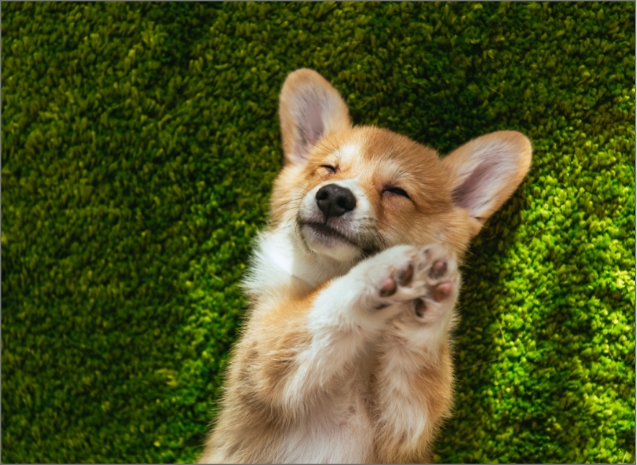
Small dogs have unique needs when it comes to exercise, socialization, and safety. Traditional dog parks can sometimes be overwhelming for tiny pups, with larger dogs dominating play areas and outdoor conditions being unpredictable. That’s where indoor dog parks come in. These specially designed spaces cater to small breeds, offering a safe, engaging, and social environment. Here are five key benefits of bringing your small dog to an indoor dog park.
1. Safe and Controlled Environment
Indoor dog parks are designed exclusively for small dogs, creating a controlled setting where your pup can play without the risk of encounters with much larger dogs. The space is typically clean, well-maintained, and free from hazards like sharp objects, busy roads, or extreme weather conditions. This controlled environment helps reduce stress and ensures that your dog can enjoy playtime safely.
2. Socialization Opportunities
Small dogs need interaction with other dogs to develop good social skills, but traditional parks can be intimidating. Indoor parks offer a welcoming environment where pups can meet peers of similar size and temperament. Regular socialization can reduce anxiety, prevent behavioral problems, and make your dog more confident around other pets and people.
3. Weather-Proof Playtime
Rain, snow, extreme heat, or cold can limit outdoor activities. Indoor dog parks provide a climate-controlled space, ensuring that your dog can get exercise and mental stimulation year-round. No more canceled walks due to bad weather – your pup can always enjoy safe, supervised play indoors.
4. Structured Play and Enrichment
Many indoor parks are equipped with agility equipment, tunnels, toys, and interactive play stations designed specifically for small dogs. These features encourage physical exercise, mental stimulation, and problem-solving skills. Structured play helps prevent boredom, which can lead to destructive behaviors at home.
5. Supervised Interaction
Indoor dog parks often provide trained staff to supervise play sessions. This supervision ensures that all dogs play safely, conflicts are managed quickly, and puppies receive guidance as they interact. For first-time dog parents or small pups still learning social etiquette, this professional oversight is invaluable.
