

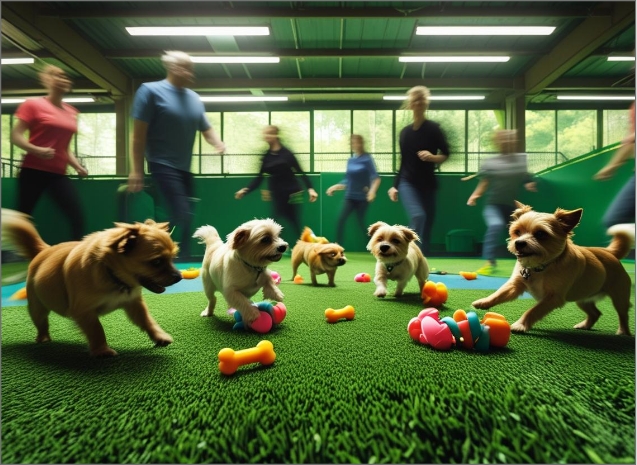
Small dogs may be tiny in size, but their energy, curiosity, and playfulness can be just as big as larger breeds. The right toys are more than just entertainment—they provide mental stimulation, physical exercise, and even comfort for your pup. However, choosing toys for small dogs requires extra attention to size, safety, and durability. Here’s how to pick the best toys for your little companion.
1. Size Matters Most
When it comes to small dogs, toy size is crucial. A toy that’s too large can frustrate them, while one that’s too tiny may pose a choking hazard. Look for toys specifically labeled for small breeds to ensure they’re easy to grip, chew, and carry.
2. Focus on Safety
Durability is important, but so is safety. Avoid toys with detachable small parts, sharp edges, or materials that can easily break apart. Opt for high-quality, non-toxic rubber, fabric, or rope toys designed to withstand chewing without causing harm.
3. Encourage Mental Stimulation
Small dogs are often clever and thrive on problem-solving. Puzzle toys, treat-dispensing balls, or interactive toys challenge their minds and keep boredom at bay. These types of toys are great for reducing anxiety and preventing destructive behavior.
4. Satisfy Their Need to Chew
Chewing is a natural behavior for dogs of all sizes. Soft rubber chew toys or rope toys can satisfy their chewing instinct, support dental health, and prevent them from nibbling on furniture or shoes.
5. Choose Toys That Match Their Play Style
Every dog has a unique personality. Some small dogs love to fetch lightweight balls or squeaky toys, while others prefer tug-of-war with a rope or snuggling with a plush toy. Observe what excites your pup and choose toys that fit their play preferences.
6. Rotate to Keep Things Fresh
Dogs can get bored with the same toys over time. Keep a small collection and rotate them weekly to make playtime more exciting and engaging for your pup.
