

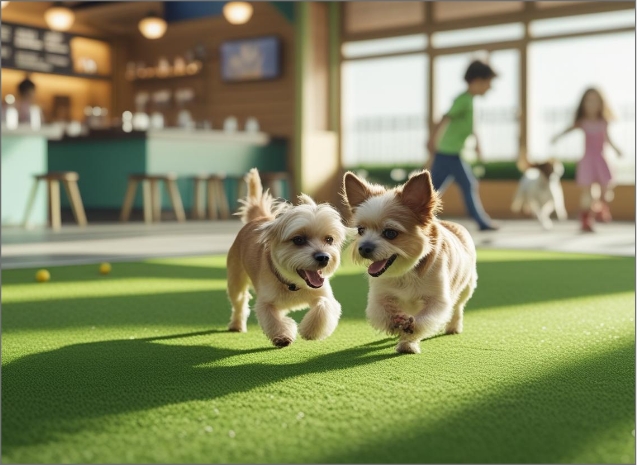
Just like people, not every dog is outgoing and ready to mingle right away. Some small dogs are naturally shy, while others may become timid due to past experiences, lack of exposure, or simply their personality. If your pup tends to hide behind you at the park or gets nervous around new people and pets, don’t worry—it’s completely normal. With patience, gentle encouragement, and the right approach, you can help your shy small dog build confidence and enjoy the benefits of socialization.
1. Start Slow and Safe
Socialization doesn’t mean throwing your dog into a crowded park right away. Begin with quiet, controlled environments where your pup feels secure. Short, positive introductions to calm, well-behaved dogs or friendly humans can set the stage for gradual confidence building.
2. Use Positive Reinforcement
Reward your dog for every small step toward bravery. Treats, praise, or gentle petting go a long way in showing your pup that social interactions are a good thing. Over time, your dog will begin to associate new people, dogs, and experiences with positive feelings.
3. Practice Obedience Training
Basic commands like sit, stay, and come give your dog structure and a sense of security in new situations. Training sessions also build trust between you and your pup, making it easier for them to handle social settings with your guidance.
4. Keep Encounters Short and Sweet
Overwhelming your dog with too much socialization at once can backfire. Instead, keep playdates or interactions short and gradually increase the duration as your pup grows more comfortable. Ending on a positive note helps reinforce good experiences.
5. Explore Small Dog-Friendly Spaces
Shy pups often do better in environments tailored to their size. Indoor dog parks designed for dogs under 30 lbs, for example, create a safe setting where your small dog can explore, play, and interact without feeling intimidated by larger breeds.
6. Be Patient and Consistent
Every dog has their own pace. Don’t rush the process or compare your pup to others. With consistent practice, exposure, and encouragement, even the shyest small dog can grow more confident and learn to enjoy social activities.
